

New World Screwworm: What Pet and Livestock Owners Need to Know
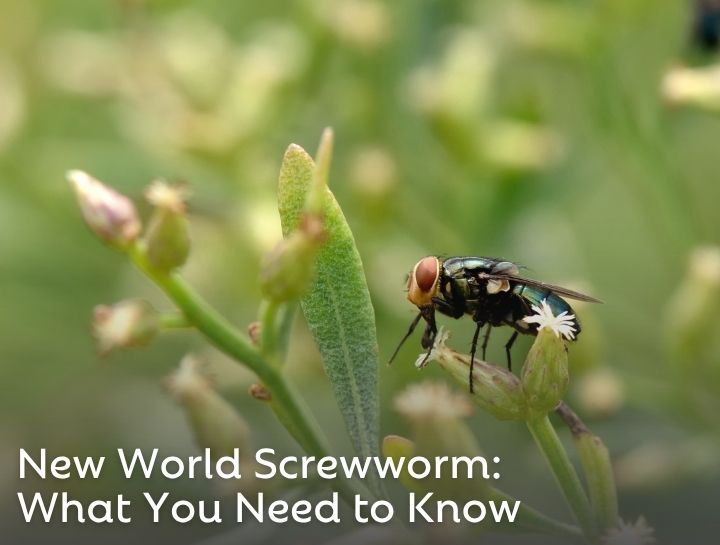
The New World Screwworm is a parasitic fly larva that can affect warm-blooded animals, including our beloved family pets and farm animals. While most fly larvae only target decaying tissue, screwworms prefer to settle in small, open cuts, tick bites, or fresh wounds on living animals.
Because early identification makes a world of difference, learning the basics of screwworm prevention and care helps keep your dogs, cats, and livestock safe and comfortable. By staying proactive and checking your animals regularly, you can easily catch potential issues before they become serious.
Screwworm in Dogs
Dogs can become exposed to screwworms due to their active outdoor behavior, their likelihood of minor cuts or scrapes, and insect bites. A simple scratch, tick bite, or post-surgical incision can quickly become an egg-laying site for a female screwworm fly.
Common Symptoms in Dogs:
-
Enlarged or Non-Healing Wounds: Minor wounds that expand rapidly rather than healing
-
Foul-Smelling Discharge: A reddish-brown fluid with a distinct, unpleasant odor draining from the site
-
Visible Larvae: Seeing larvae burrowed inside the pocket of the wound
-
Behavioral Changes: Persistent licking or biting at a specific spot, restlessness, whimpering, extreme lethargy, or loss of appetite
-
Swelling and Heat: Warmth, discomfort, and pronounced swelling around the affected tissue
Screwworm in Cats
Cats—especially outdoor or free-roaming cats—are vulnerable to screwworm infestation. Feline grooming habits can sometimes obscure early signs, as cats often attempt to clean away discharge, masking the problem until the infestation is advanced.
Common Symptoms in Cats:
-
Hidden Deep Wounds: Scratches from cat fights, abscesses, or surgical sites (such as spay/neuter wounds) become prime targets
-
Hiding or Aggression: Cats in discomfort often hide under furniture, withdraw from social interaction, or become sensitive when touched near the infested area
-
Over-Grooming: Intense licking or scratching at a localized area, frequently leading to hair loss around the wound
-
Systemic Illness: Fever, rapid weight loss, dehydration, and weakness as the infestation progresses
The Importance of Prompt Treatment for Pets
Screwworm infestations in pets require prompt professional veterinary intervention. Never attempt to squeeze, crush, or pull larvae out with tweezers without professional guidance, as breaking the larvae inside the wound can trigger severe inflammatory reactions or secondary infection. Our team is here to help. Call us at (281) 351-8387 if you suspect your pet/cat is infested.
If you suspect your dog or cat has been exposed to screwworms—or if you notice an unusual, non-healing wound—don't wait. Call $Hospital today at (281) 351-8387 to begin a treatment plan. For more information about screwworms, please visit the resources below.